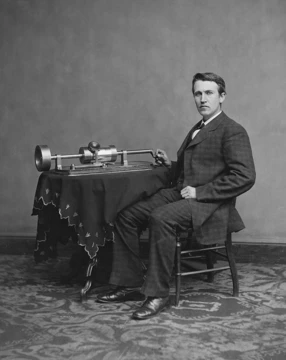
Morris Chang
Founder of TSMC, pioneer of the semiconductor foundry model.

via Wikipedia: Industrial Technology Research Institute · see source
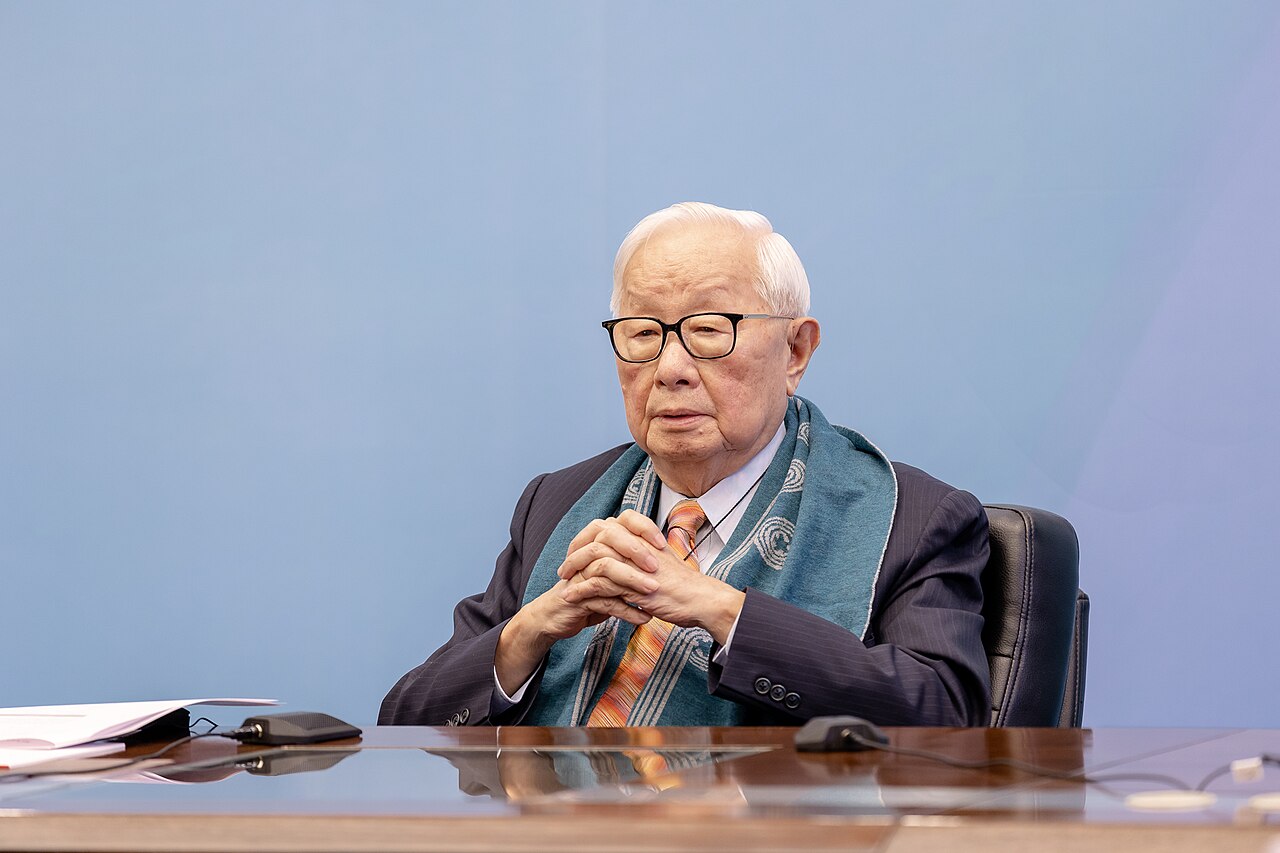
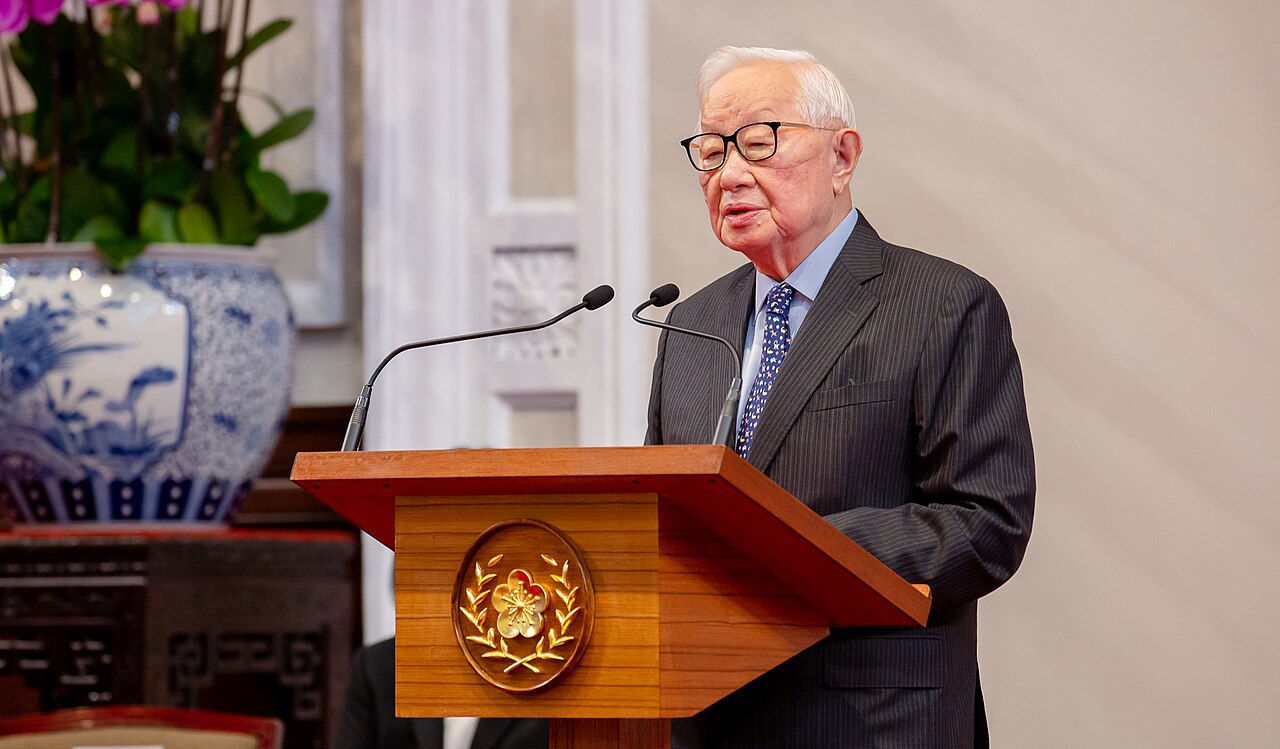
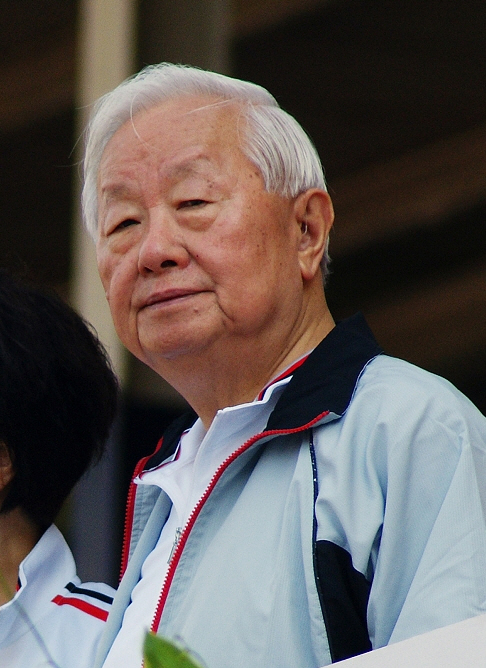
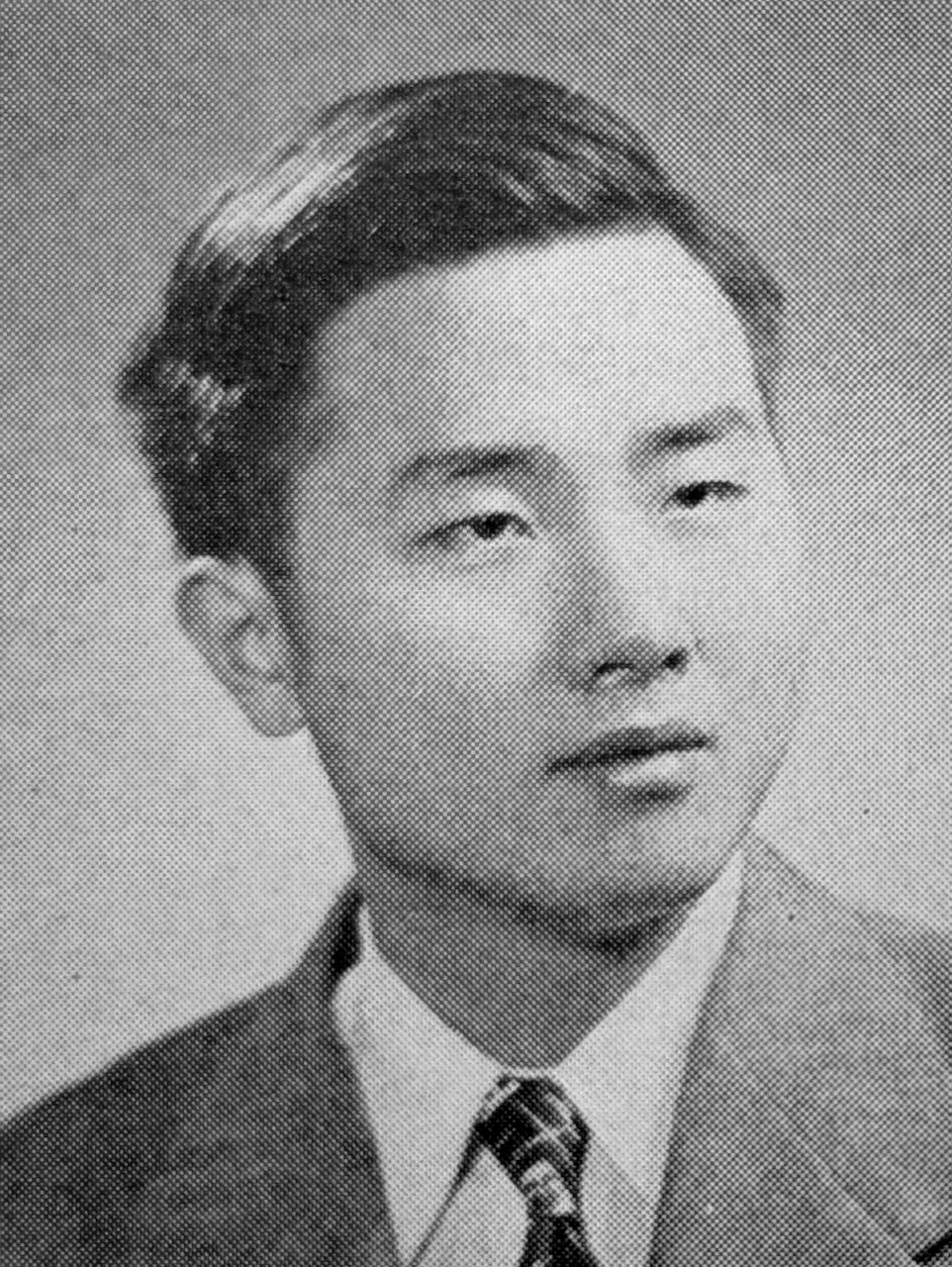
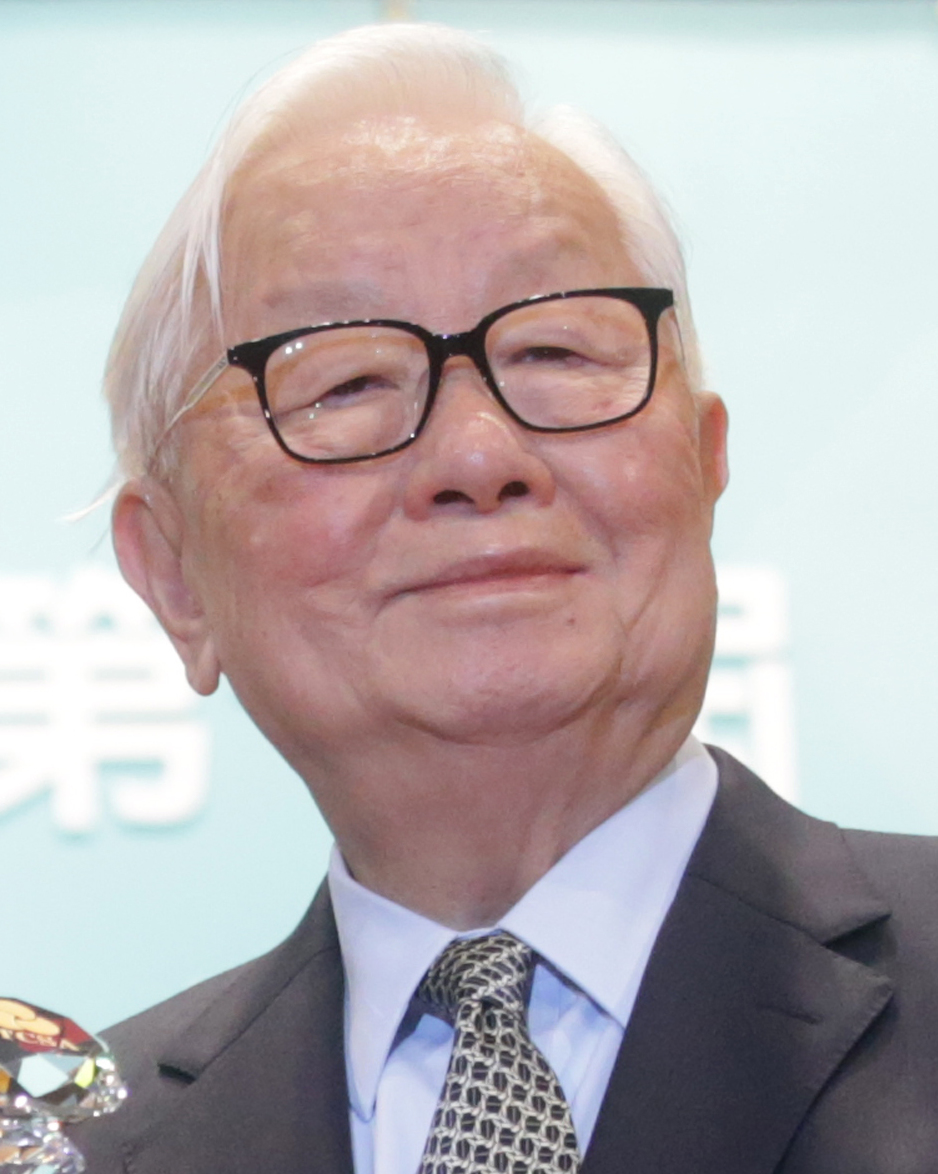
Morris Chang Chung-mou is a Taiwanese business executive and electrical engineer. He is the founder of Taiwan Semiconductor Manufacturing Company (TSMC), the world's largest dedicated semiconductor foundry. In 1986, Li Kwoh-ting, representing the Executive Yuan, invited Chang to serve as the president of the Industrial Technology Research Institute (ITRI) and offered him a blank check to build Taiwan's chip industry. Chang was turned down by Texas Instruments and Intel before Philips signed a joint venture contract with Taiwan to put up $58 million, transfer its production technology, and license intellectual property in exchange for a 27.6 percent stake in TSMC. In 1987, ITRI spun off TSMC, which eventually became the world's largest dedicated semiconductor foundry.
- known_for
- Founder of Taiwan Semiconductor Manufacturing Company (TSMC); pioneer of the sem
Verified Timeline
Lore & Background
In 1986, Li Kwoh-ting, representing the Executive Yuan, invited Morris Chang to serve as the president of the Industrial Technology Research Institute (ITRI) and offered him a blank check to build Taiwan's chip industry. At that time, the Taiwanese government wanted to develop its semiconductor industry, but its high investment and high risk nature made it difficult to find investors. Chang was turned down by Texas Instruments and Intel before Philips signed a joint venture contract with Taiwan to put up $58 million, transfer its production technology, and license intellectual property in exchange for a 27.6 percent stake in TSMC. In 1987, ITRI spun off Taiwan Semiconductor Manufacturing Company (TSMC), which eventually became the world's largest dedicated semiconductor foundry.
Reader's Guide
Morris Chang's significance lies in his creation of the semiconductor foundry model, which revolutionized the global chip industry by allowing fabless companies to outsource manufacturing. Under his leadership, TSMC became the world's largest dedicated semiconductor foundry. His career spanned decades at Texas Instruments, where he pioneered aggressive pricing strategies, and at General Instrument, before he was recruited by Taiwan's government to lead industrial development. Chang's decision to move manufacturing to Asia, based on observations of higher yields in Japan, shaped the modern geography of semiconductor production. Sun Yat-sen in 2024, and his warnings about the high costs of U.S. onshoring efforts reflect his deep industry insight.
Did You Know?
- In 1986, Li Kwoh-ting, representing the Executive Yuan, invited Morris Chang to serve as the president of ITRI and offered him a blank check to build Taiwan's chip industry.
- Chang was turned down by Texas Instruments and Intel before Philips signed a joint venture contract with Taiwan to put up $58 million for a 27.6 percent stake in TSMC.
- In 1987, ITRI spun off Taiwan Semiconductor Manufacturing Company (TSMC), which eventually became the world's largest dedicated semiconductor foundry.
- ITRI had previously spun off United Microelectronics Corporation (UMC) in 1981 as Taiwan's first professional wafer manufacturer.
The Blank Check
In 1986, Li Kwoh-ting, acting on behalf of the Executive Yuan, extended an offer that would reshape the global semiconductor landscape. He invited Morris Chang to take the helm of the Industrial Technology Research Institute and, with it, handed him what amounted to a blank check. The mission was nothing less than building Taiwan's chip industry from the ground up. The Taiwanese government had long desired a domestic semiconductor sector, yet the enormous capital requirements and the steep risk profile of the field had kept outside investors firmly at bay. No one else seemed willing to take the gamble. Chang accepted the challenge with full institutional backing, stepping into a role that carried both the weight of national ambition and the freedom to pursue the most ambitious path the technology allowed. His appointment marked the moment when Taiwan's semiconductor dream shifted from aspiration to active, resourced execution, with a single individual empowered to direct the entire effort.
Rejection and the Philips Partnership
Chang's immediate task was finding a foreign partner willing to share semiconductor know-how with a fledgling island economy. The road was littered with refusals. Texas Instruments declined. Intel declined. It was Philips that ultimately broke through, agreeing to a joint venture that would anchor the entire enterprise. The company committed fifty-eight million dollars in capital, pledged to transfer its production technology, and licensed its intellectual property to the new venture. In return, Philips would hold a 27.6 percent equity stake. This deal was the critical missing piece: without a willing technology licensor, the blank check alone could not have conjured a competitive foundry. Chang had navigated a gauntlet of high-profile rejections to land a partner whose expertise would seed an entire industry.
The 1987 Spin-Off and a Global Giant
With the Philips partnership locked in, the next step was structural. In 1987, ITRI formally spun off the new entity as Taiwan Semiconductor Manufacturing Company, separating it from the parent institute's broader research portfolio. This was not ITRI's first act of corporate midwifry. A decade earlier, in 1981, the institute had already carved out United Microelectronics Corporation from its own integrated circuit plant, creating Taiwan's first professional wafer manufacturer. The 1987 spin-off followed the same logic: take the technology and talent incubated within ITRI's walls and release them into the commercial world as an independent, market-facing company. What emerged from that separation would, over the years, grow into the world's largest dedicated semiconductor foundry. The trajectory from a government research lab's internal project to the dominant player in global chip manufacturing was set in motion by that single act of institutional separation.
The Ecosystem Chang Inherited
Morris Chang did not arrive in a vacuum. By the time he took the ITRI presidency in 1986, the institute had already been shaping Taiwan's industrial identity for over a decade. Founded in 1973 with government backing to consolidate research under the Ministry of Economic Affairs, ITRI had been established in the wake of the oil crisis and Taiwan's withdrawal from the United Nations. In 1976, a technology transfer agreement with Radio Corporation of America brought semiconductor manufacturing to the island for the first time, and ITRI built a 3-inch wafer fab that served as the training ground for a generation of chip engineers. The institute had also diversified into CNC machine tools, displays, carbon-fiber bicycle frames developed alongside Giant Manufacturing, and in 1990 helped launch the Taiwan Notebook PC Consortium with forty-six local manufacturers. Chang inherited this layered ecosystem of talent, infrastructure, and institutional credibility, and channeled it toward the single most consequential bet in the institute's history.
Gallery
Frequently Asked Questions
Who is Morris Chang?
Morris Chang is a Taiwanese-American electrical engineer and business leader born in 1931 in Ningbo, China. He is best known for establishing TSMC, the world's first dedicated semiconductor foundry, and is widely credited with building Taiwan's chip industry from the ground up.
What did Morris Chang pioneer in the semiconductor industry?
He created the pure-play foundry model, in which one company manufactures chips on behalf of many outside design firms rather than selling its own branded products. This approach fundamentally restructured how the global chip supply chain works.
What company did Morris Chang found?
He founded Taiwan Semiconductor Manufacturing Company (TSMC), which grew into the largest corporation in Taiwan and one of the biggest semiconductor manufacturers anywhere in the world.
Why is Morris Chang considered so important?
By proving that a dedicated foundry could outcompete vertically integrated giants, he gave smaller design companies access to cutting-edge fabrication without the cost of building their own fabs. His model turned Taiwan into a central hub of the global semiconductor ecosystem.
What is Morris Chang's nationality and background?
Born in Ningbo, China, in 1931, he later became a dual citizen of Taiwan and the United States, gaining U.S. citizenship in 1962. He is broadly regarded as the architect of Taiwan's entire semiconductor sector.
More in Pioneers And Innovators 1-23
Spotted an error? Know more?
This is a living reference — every entry is fact-audited, and reader corrections feed straight into our audit queue. Suggest an edit · See this site's audit record