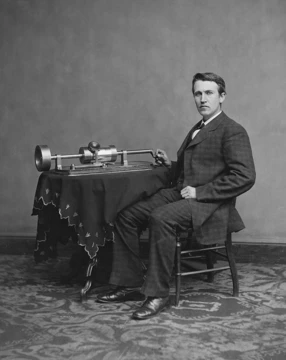
Marie Marvingt
Inventor of metal plane skis, pioneering balloonist, and unofficial combat pilot.

via Wikipedia: List of women innovators and inventors by country · see source
Marie Marvingt (1875–1963) was a French inventor credited with metal plane skis. She also pioneered air ambulance services and advocated for flight nurse training.
- known_for
- Pioneering balloonist, multi-sport champion, unofficial combat pilot, advocate f
Verified Timeline
Lore & Background
Marie Marvingt was born in Aurillac, France, on 20 February 1875. Her father, a sports enthusiast, encouraged her athletic abilities; by age four she could swim 4 kilometers. She excelled in numerous sports, including swimming, cycling, mountaineering, fencing, and winter sports. In 1905 she swam the length of the Seine through Paris. During World War I she served as an unofficial combat pilot, flying reconnaissance and bombing missions. In 1934 she established a civil air ambulance service in Morocco and developed training for flight nurses. She also made documentary films about air ambulances.
Reader's Guide
Marie Marvingt's significance lies in her unprecedented range of achievements across sports, aviation, and medicine. She broke gender barriers in mountaineering, ballooning, and fixed-wing flight, becoming the first female combat pilot during World War I. Her efforts helped establish air ambulance services globally. Her life exemplified versatility and determination, earning her the nickname 'the fiancée of danger.'
Did You Know?
- During World War I she served as an unofficial combat pilot, flying reconnaissance and bombing missions.
- She gave over 3,000 conferences on aeromedical evacuation.
- In 1934 she established a civil air ambulance service in Morocco and developed training for flight nurses.
The Invention and Its Maker
Marie Marvingt, a French woman born in 1875 and deceased in 1963, is recorded in historical catalogs as a notable innovator whose credited contribution was the creation of metal plane skis. Her nearly ninety-year lifespan spanned a period of extraordinary technological transformation, yet her name persists in listings of women who made tangible contributions to the design of tools and equipment. The specific designation of her invention—metal plane skis—identifies a metallurgical approach to ski construction, distinguishing her work from other material-based designs. In the organized record of women inventors presented by country, Marvingt occupies a place in the French section, recognized among a diverse group of women whose innovations touched fields as varied as medical instrumentation, food preparation, nuclear science, and digital networking. Her inclusion in this compilation affirms that, beyond the handful of widely celebrated names in the history of invention, many other women were active creators and problem-solvers across a wide spectrum of interests and practical applications.
A Rare Presence in the Patent Record
The historical landscape of invention has been overwhelmingly shaped by men, and the statistics bear this out with striking clarity. In the United Kingdom, between 1617 and 1816, only thirty-three of four thousand ninety patents issued named a female inventor—a figure representing less than one percent of all grants. In the United States, the proportion of patents naming a woman stood at just 1.5 percent as late as 1954, though by 2002 that figure had climbed to 10.9 percent, signaling a slow but measurable shift. Marie Marvingt's work in metal plane skis places her within a domain—mechanical and materials engineering—that the historical record identifies as one where women's inventions have been particularly scarce. Her name, preserved in a list of notable women innovators, stands as a small but meaningful counterpoint to the overwhelming male dominance of the patent system during her lifetime and the centuries that preceded it.
Among France's Women Innovators
Within the French section of the international catalog of women inventors, Marie Marvingt appears alongside a remarkable constellation of women whose contributions spanned centuries and disciplines. Herminie Cadolle, active in the late nineteenth and early twentieth centuries, is credited with the brassiere; Marie Boivin, working in the late eighteenth and early nineteenth centuries, developed the pelvimeter and vaginal speculum; Marguerite Perey, a contemporary of Marvingt's later years, is associated with francium. Other names in the same French listing include Madame Clicquot Ponsardin and her Champagne riddling technique, Marie Harel and Camembert cheese, Jeanne Villepreux-Power and her aquaria, and more recent figures such as Martine Kempf and her voice activation system. Marvingt's metal plane skis fit within this broad spectrum, illustrating that French women across generations have contributed to innovation in areas ranging from the kitchen to the laboratory to the slopes, each addressing a distinct practical need through inventive design.
Fields, Concentrations, and the Wider Pattern
The historical record reveals a pronounced pattern in the fields where women's inventions have clustered. Chemistry and education have been areas where female inventors have been relatively more visible, while physics, electrical engineering, and mechanical engineering have remained domains where women's contributions have been notably rare. Marie Marvingt's metal plane skis, as an invention rooted in materials and mechanical design, place her work squarely within one of those less-traveled territories for women. Yet the broader narrative resists simple categorization: the international listings show women inventors active in an extraordinarily wide range of interests and applications, from braille printing presses in Australia to green steel in the same country, from solar energy in Hungary to time-based currency in Japan. Marvingt's entry, though brief, participates in this larger story of women who, despite structural barriers and statistical rarity, pursued inventive work across the full breadth of human endeavor.
Gallery

Frequently Asked Questions
Who is Marie Marvingt?
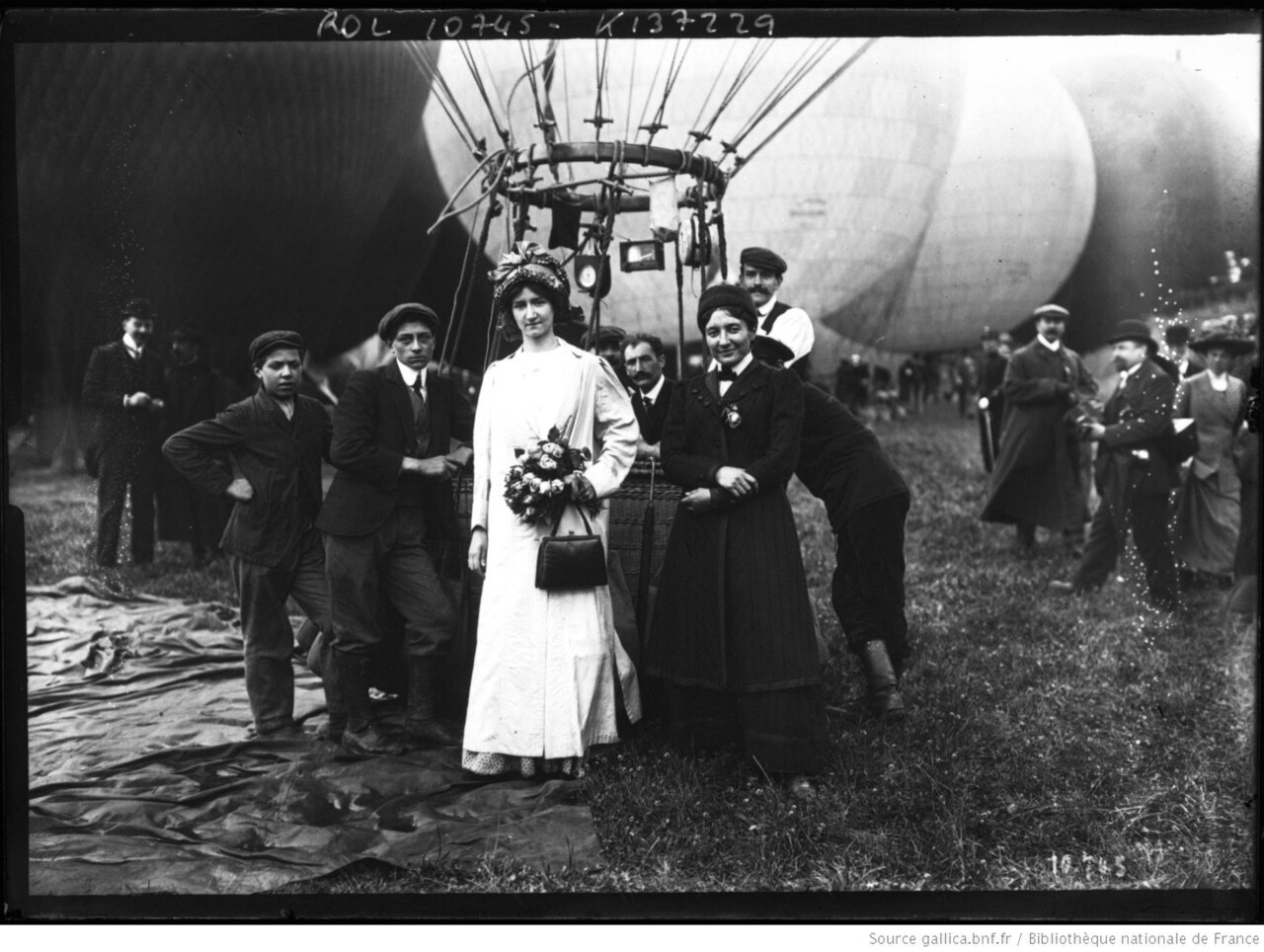
Marie Félicie Élisabeth Marvingt was a French athlete, mountaineer, aviator, and journalist who became one of the earliest prominent female balloonists. She is also remembered as a multi-sport champion and an unofficial combat pilot during the First World War.
What sports and activities was Marie Marvingt known for?
She competed and won across a broad range of sports, piloted balloons as a pioneer of the discipline, and summited numerous peaks in the French and Swiss Alps. Her extraordinary versatility in early modern athletics set her apart from nearly every contemporary athlete.
What role did Marie Marvingt play in World War I?
Although she never held a formal military commission, she flew reconnaissance and bombing missions as an unofficial combat pilot. Her wartime sorties made her one of the first women to take part in aerial combat operations.
How did Marie Marvingt help establish air ambulance services?
She championed the creation of air ambulance operations and specifically advocated for the training of flight nurses to treat patients during medical flights. Her push for organized aeromedical care helped shape what later became standard practice in emergency aviation.
Why is Marie Marvingt considered a pioneer?
She broke into ballooning, alpine mountaineering, combat aviation, and journalism at a time when women were largely shut out of all those fields. Her legacy spans sport, military aviation, and medical innovation, making her a uniquely multifaceted trailblazer of the early twentieth century.
More in Pioneers And Innovators 1-23
Spotted an error? Know more?
This is a living reference — every entry is fact-audited, and reader corrections feed straight into our audit queue. Suggest an edit · See this site's audit record