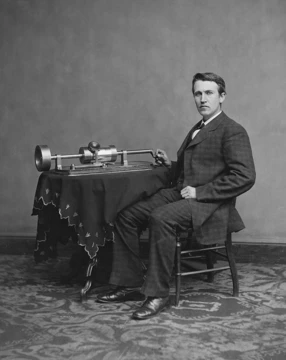
Michael Collins
Bootsy Collins: funk bass innovator, P-Funk legend, and Rock and Roll Hall of Fame inductee.

via Wikipedia: Bootsy Collins · see source
William Earl "Bootsy" Collins (born October 26, 1951) is an American bass guitarist, singer, and songwriter. He rose to prominence with James Brown in the early 1970s before joining the Parliament-Funkadelic collective, establishing himself as a leading name and innovator in funk music with his driving basslines and humorous vocals. He later formed his own P-Funk side project, Bootsy's Rubber Band. Collins has collaborated with musicians from a variety of genres, including dance music (Deee-Lite's "Groove Is in the Heart"), electronic big beat (Fatboy Slim's "Weapon of Choice" and "The Joker"), Sammy Hagar's "Would You Do It For Free" and "24365", and alternative metal (Praxis). In 1997 he was inducted into the Rock and Roll Hall of Fame along with 15 other members of Parliament-Funkadelic. In 2020, Rolling Stone ranked Collins number four in its list of the 50 greatest bassists of all time.
- born
- October 26, 1951
- field
- Bass guitarist, singer, songwriter
- nationality
- American
- known_for
- Funk bass innovator, member of Parliament-Funkadelic, Rock and Roll Hall of Fame
Verified Timeline
Lore & Background
Bootsy Collins was born in Cincinnati on October 26, 1951. His mother nicknamed him Bootsy; when he asked why, she said, "Because you looked like a Bootsy." His brother Phelps "Catfish" Collins (1943–2010) was also a musician, and together they were part of The Pacemakers. In 1968 Collins formed The Pacemakers with his brother, Frankie "Kash" Waddy, and Philippé Wynne. In March 1970, after most of James Brown's band quit over a pay dispute, The Pacemakers were hired as Brown's backing band and became known as The J.B.'s. They played on intense funk recordings including "Get Up (I Feel Like Being a) Sex Machine", "Super Bad", "Get Up, Get Into It, Get Involved", "Soul Power", "Talkin' Loud and Sayin' Nothing", and the much-sampled instrumental "The Grunt". Collins said Brown treated him like a son and used criticism to make him practice harder. In 1976 Collins, Catfish, Waddy, Joel Johnson, Gary "Mudbone" Cooper, Robert Johnson, and The Horny Horns formed Bootsy's Rubber Band. Their 1978 album Bootsy? Player of the Year reached the top of the Billboard R&B album chart and spawned the #1 R&B single "Bootzilla". Collins took on alter egos like Casper the Funky Ghost and Bootzilla, and adopted his trademark "space bass".
Reader's Guide
Bootsy Collins' career spans decades of genre-crossing collaborations. In 1984 he collaborated with Jerry Harrison of Talking Heads to produce "Five Minutes", a dance record sampled from Ronald Reagan's "We begin bombing in five minutes" speech, credited to "Bonzo Goes to Washington". After a nearly five-year hiatus, Collins had a comeback in 1988 with What's Bootsy Doin'?, featuring the dance floor smash "Party on Plastic". Producer Bill Laswell introduced Collins to Herbie Hancock, resulting in the techno-funk album Perfect Machine (1988). That same year, Collins played bass on Keith Richards and The X-Pensive Winos' album Talk is Cheap and made a cameo in Eazy-E's music video for "We Want Eazy". In 1990, Collins collaborated with Deee-Lite on "Groove Is in the Heart", contributing additional vocals and appearing in the music video. Bootsy's Rubber Band became the de facto backing musicians for Deee-Lite during a world tour. In 1992, Collins joined guitarist Stevie Salas and drummer Buddy Miles to form the funk-metal fusion group Hardware, releasing one album, Third Eye Open. He also played bass on the first Praxis album, Transmutation, alongside Bernie Worrell, Bryan Mantia, and Buckethead. In 2000, Collins provided lead vocals for Fatboy Slim's "Weapon of Choice", which won multiple MTV Video Music Awards and a Grammy Award for Best Music Video. In 2005, Collins co-wrote "Fear Da Tiger" celebrating the Cincinnati Bengals, featuring rapping by several Bengals players. In 2006, he appeared with Little Richard, Bernie Worrell, and other musicians as the band playing with Hank Williams, Jr. for Monday Night Football. Collins also released the holiday album Christmas Is 4 Ever in 2006, the first Christmas-themed album by a P-Funk member.
Did You Know?
- Collins' mother nicknamed him Bootsy because she said he looked like a Bootsy.
- The J.B.'s played on James Brown's 'Get Up (I Feel Like Being a) Sex Machine' and the much-sampled instrumental 'The Grunt'.
- Collins' 1978 album Bootsy? Player of the Year reached #1 on the Billboard R&B album chart and spawned the #1 R&B single 'Bootzilla'.
- Collins provided lead vocals for Fatboy Slim's 'Weapon of Choice', which won a Grammy Award for Best Music Video.
- In 1997, Collins was inducted into the Rock and Roll Hall of Fame along with 15 other members of Parliament-Funkadelic.
Roots in Cincinnati
William Earl Collins was born in Cincinnati on October 26, 1951. His mother gave him the nickname Bootsy, explaining, "Because you looked like a Bootsy." His brother Phelps "Catfish" Collins (1943–2010) was also a musician, and the two were once part of The Pacemakers. Collins has maintained a strong connection with Cincinnati throughout his life.
The J.B.'s and the Birth of P-Funk
In 1968 Collins formed The Pacemakers with his elder brother Phelps "Catfish" Collins, Frankie "Kash" Waddy, and Philippé Wynne. In March 1970, after most of James Brown's band quit over a pay dispute, The Pacemakers were hired as Brown's backing band and became known as The J.B.'s, often called "the original J.B.'s". They worked for Brown for only 11 months but played on intense funk recordings including "Get Up (I Feel Like Being a) Sex Machine", "Super Bad", "Get Up, Get Into It, Get Involved", "Soul Power", "Talkin' Loud and Sayin' Nothing", and the much-sampled "The Grunt". Collins said Brown treated him like a son and used criticism to push him to practice harder. In 1976 Collins, Catfish, Waddy, Joel Johnson, Gary "Mudbone" Cooper, Robert Johnson, and The Horny Horns formed Bootsy's Rubber Band, a separate touring unit of George Clinton's Parliament-Funkadelic collective. Their 1978 album Bootsy? Player of the Year reached the top of the Billboard R&B album chart and spawned the #1 R&B single "Bootzilla". Collins took on alter egos like Casper the Funky Ghost and Bootzilla, and adopted his trademark "space bass".
Cross-Genre Collaborations and Reinvention
In 1984 Collins collaborated with Jerry Harrison of Talking Heads to produce "Five Minutes", a dance record sampled from Ronald Reagan's "We begin bombing in five minutes" speech, credited to "Bonzo Goes to Washington". After a nearly five-year hiatus, Collins had a comeback in 1988 with What's Bootsy Doin'?, featuring the dance floor smash "Party on Plastic". Producer Bill Laswell introduced Collins to Herbie Hancock, resulting in Perfect Machine (1988). That same year, Collins played bass on Keith Richards and The X-Pensive Winos' album Talk is Cheap and made a cameo in Eazy-E's music video for "We Want Eazy". In 1990, Collins collaborated with Deee-Lite on "Groove Is in the Heart", contributing additional vocals and appearing in the music video. Bootsy's Rubber Band became the de facto backing musicians for Deee-Lite during a world tour. In 1992, Collins joined guitarist Stevie Salas and drummer Buddy Miles to form the funk-metal fusion group Hardware, releasing one album, Third Eye Open. He also played bass on the first Praxis album, Transmutation, alongside Bernie Worrell, Bryan Mantia, and Buckethead. In 2000, Collins provided lead vocals for Fatboy Slim's "Weapon of Choice", which won multiple MTV Video Music Awards and a Grammy Award for Best Music Video. In 2005, Collins co-wrote "Fear Da Tiger" celebrating the Cincinnati Bengals, featuring rapping by several Bengals players. In 2006, he appeared with Little Richard, Bernie Worrell, and other musicians as the band playing with Hank Williams, Jr. for Monday Night Football. Collins also released the holiday album Christmas Is 4 Ever in 2006, the first Christmas-themed album by a P-Funk member.
Legacy and Recognition
In 1997 Collins was inducted into the Rock and Roll Hall of Fame along with 15 other members of Parliament-Funkadelic. In 2020, Rolling Stone ranked Collins number four in its list of the 50 greatest bassists of all time. His driving basslines and humorous vocals established him as one of the leading names and innovators in funk music. The much-sampled instrumental "The Grunt", recorded during his J.B.'s tenure, became a foundational track in hip-hop and electronic music. Collins' collaborations span dance music (Deee-Lite's "Groove Is in the Heart"), electronic big beat (Fatboy Slim's "Weapon of Choice" and "The Joker"), Sammy Hagar's "Would You Do It For Free" and "24365", and alternative metal (Praxis), among others.
Gallery
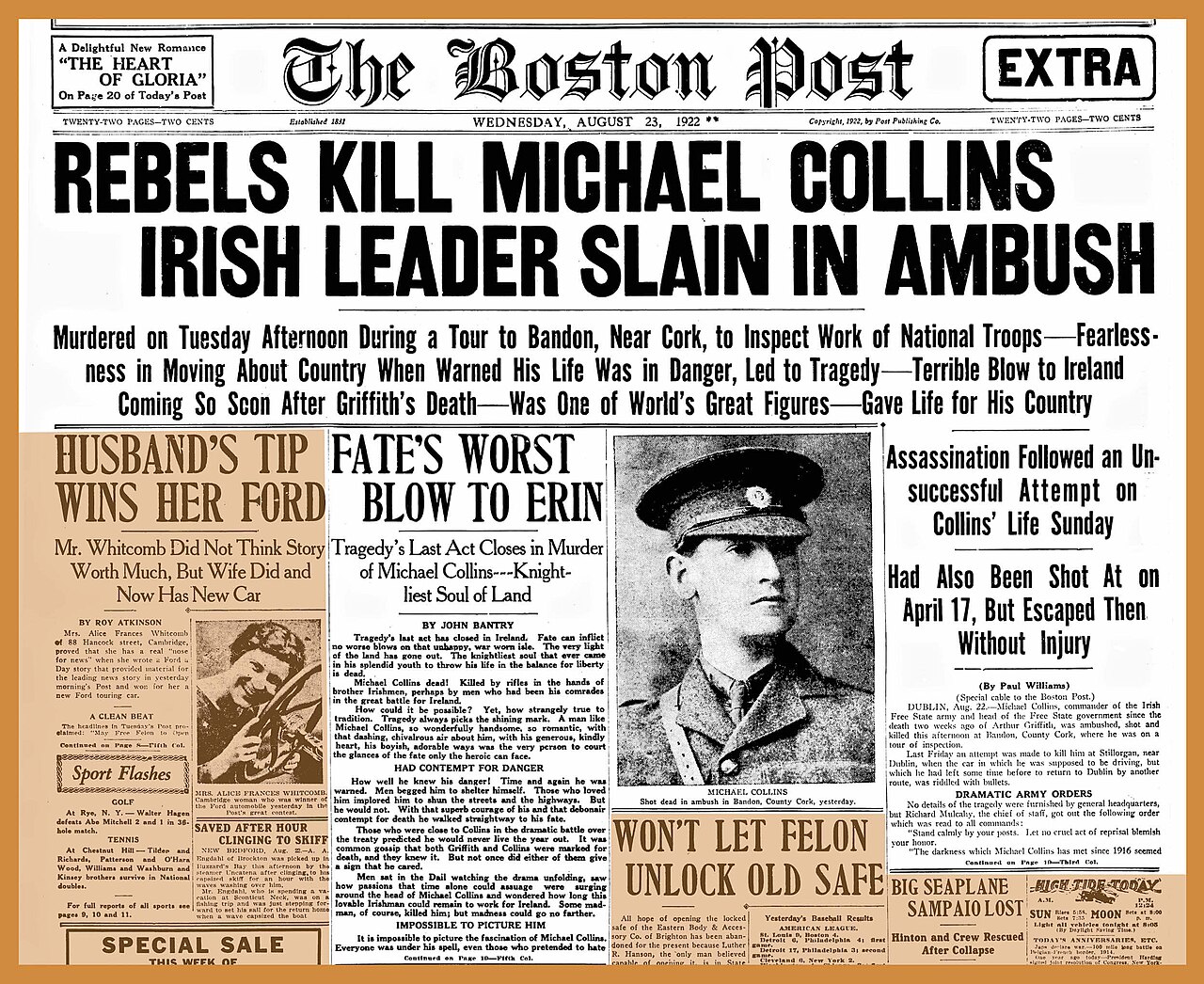
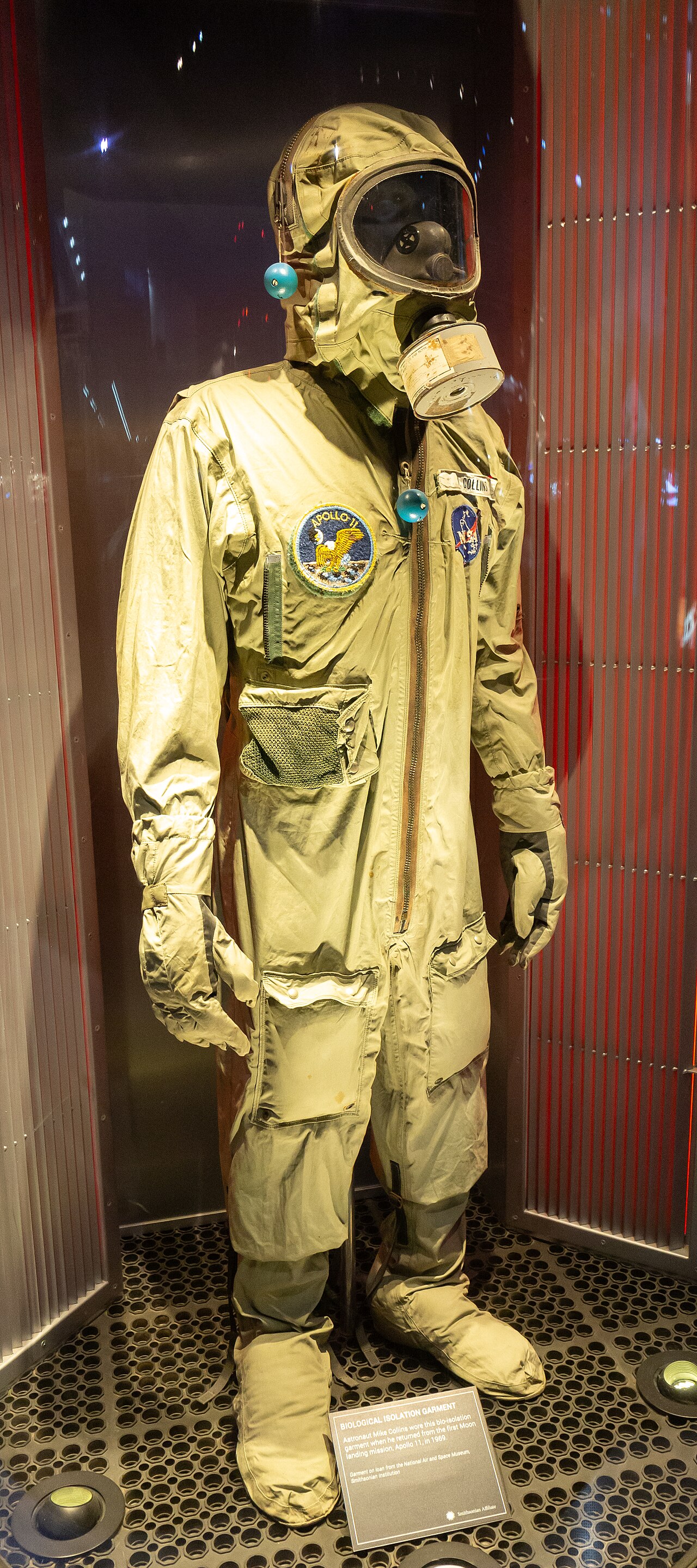
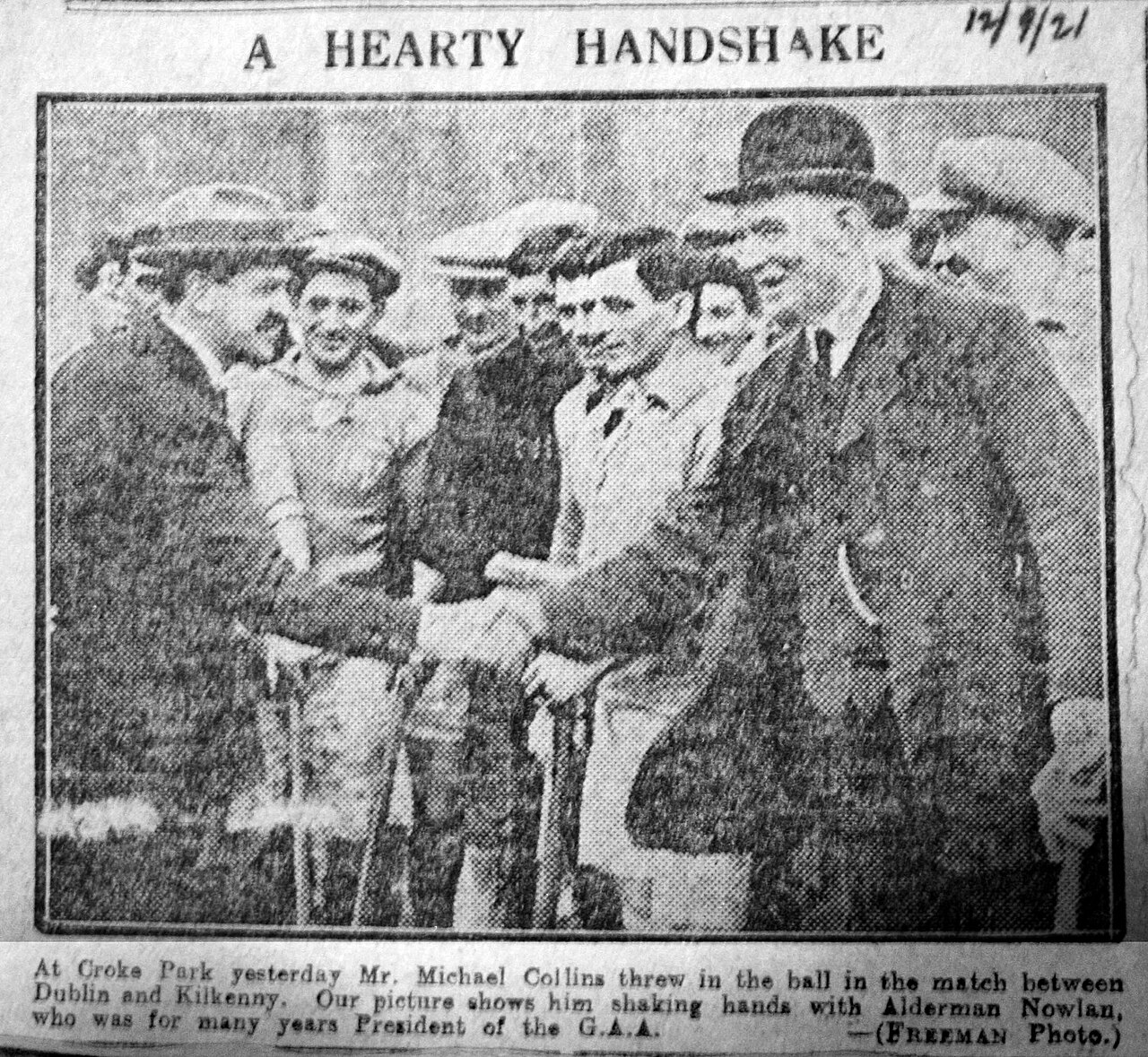
Frequently Asked Questions
Who is Michael Collins?
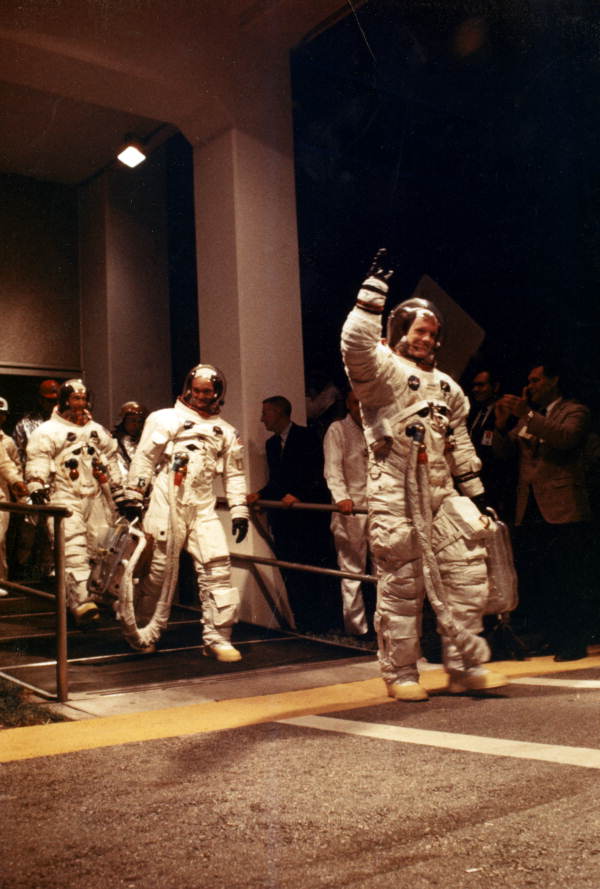
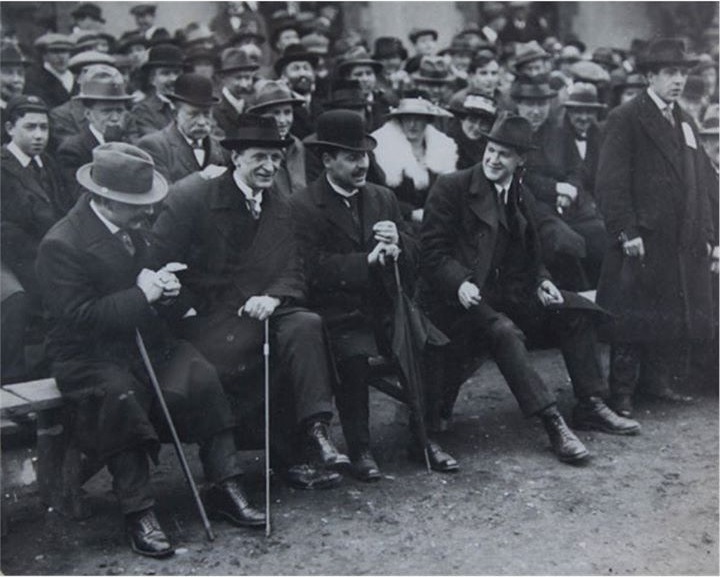
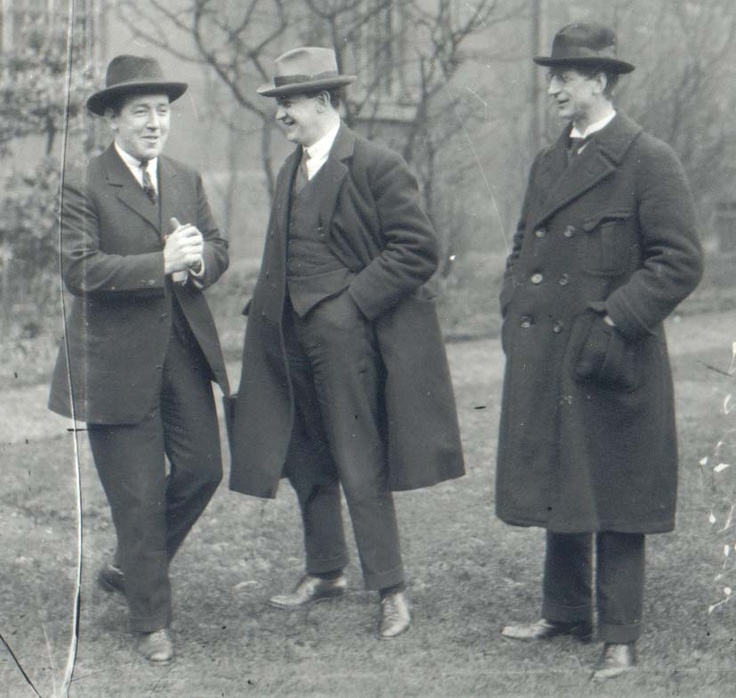
The name refers to two well-known figures: an Irish revolutionary and politician born in 1890, and an American astronaut born in 1930 who flew on both Apollo 11 and Gemini 10. Fans of the Pioneers and Innovators series typically encounter both entries under this shared name.
What fields is Michael Collins associated with?
The Irish Michael Collins worked in revolutionary politics, while the American Michael Collins built his career in astronautics. Together they represent two very different paths of pioneering and public service.
How does Michael Collins's story end?
The Irish leader's life ended in 1922, while the American astronaut lived until 2021. Both figures closed out their stories well after leaving a lasting mark on their respective fields.
Why is Michael Collins important?
The Irish figure is remembered for his role in the struggle for Irish independence, and the astronaut is celebrated as a member of the crew that carried out the first Moon landing. Each shaped history in a distinct but consequential way.
What is Michael Collins most known for?
The Irish Michael Collins is recognized as a revolutionary and politician who helped define a nation's political future. The American Michael Collins is best known for serving as a crew member on the landmark Apollo 11 mission and the earlier Gemini 10 flight.
More in Pioneers And Innovators 1-23
Spotted an error? Know more?
This is a living reference — every entry is fact-audited, and reader corrections feed straight into our audit queue. Suggest an edit · See this site's audit record